Currently embedded at IKEA, working on two of their new business platforms across Europe.
Twelve years designing digital products for companies with large teams, hard problems, and decisions that actually cost something if they go wrong.
Previously at Flat 101, leading CRO and UX for Santander, Meliá Hotels, Mapfre, IQOS, and Mutua Madrileña. Different clients, different industries, but roughly the same way of working every time.


A selection of clients worked with directly or through agency partnerships. Most engagements are covered by NDA, though methodology and decisions are always mine to share.
35+clientsSelected work.
Nine case studies across products, CRO, and design operations. Hover to preview.


IKEA Home Services
Peer-to-peer services marketplace, live in seven Spanish cities. 500,000+ downloads, 4.9/5 satisfaction.
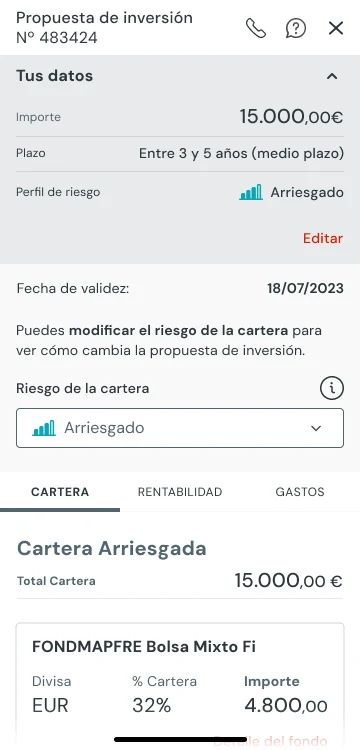
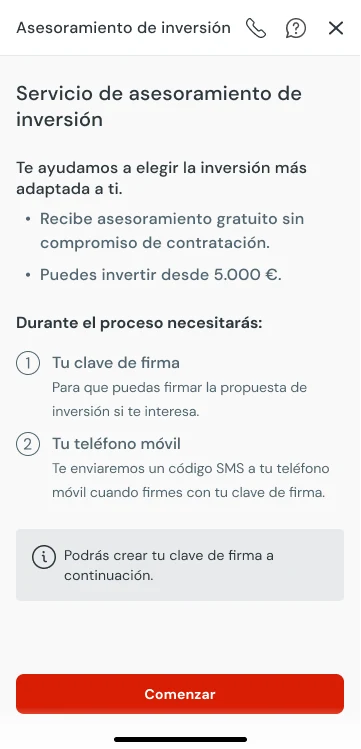
Mapfre · AFIN Financial App
Self-service financial management for one of Spain's largest insurers, built around user trust.
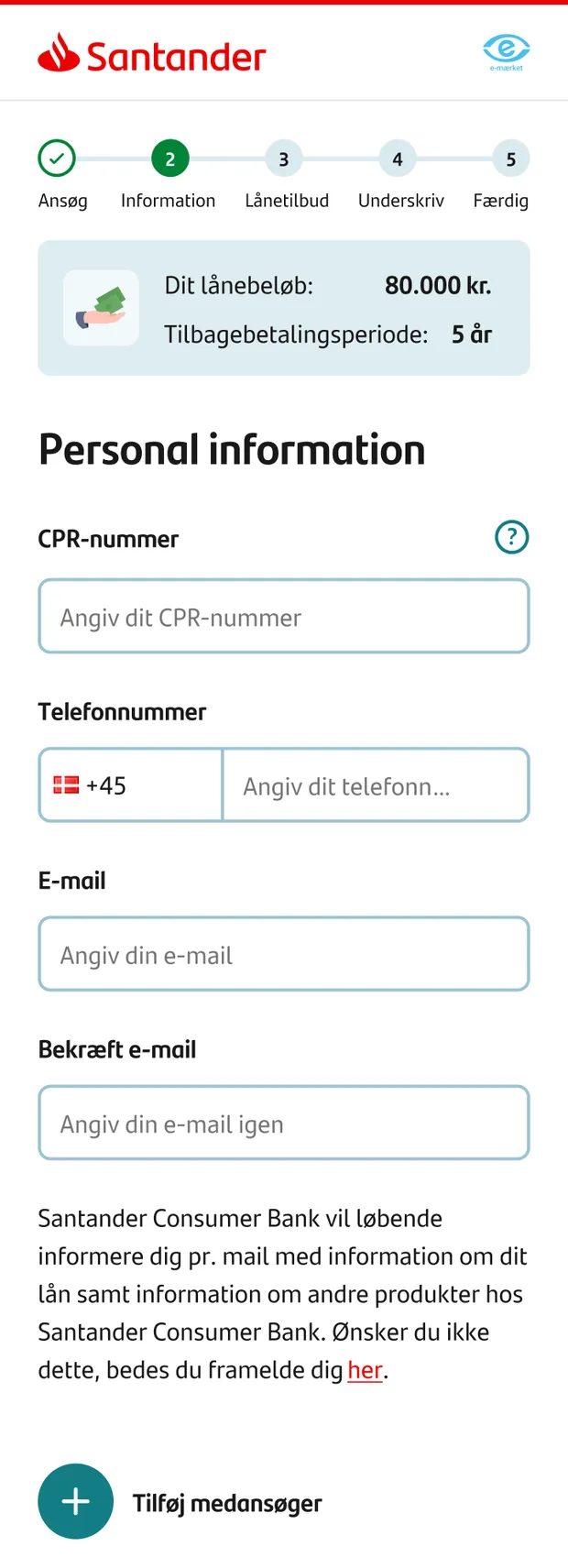
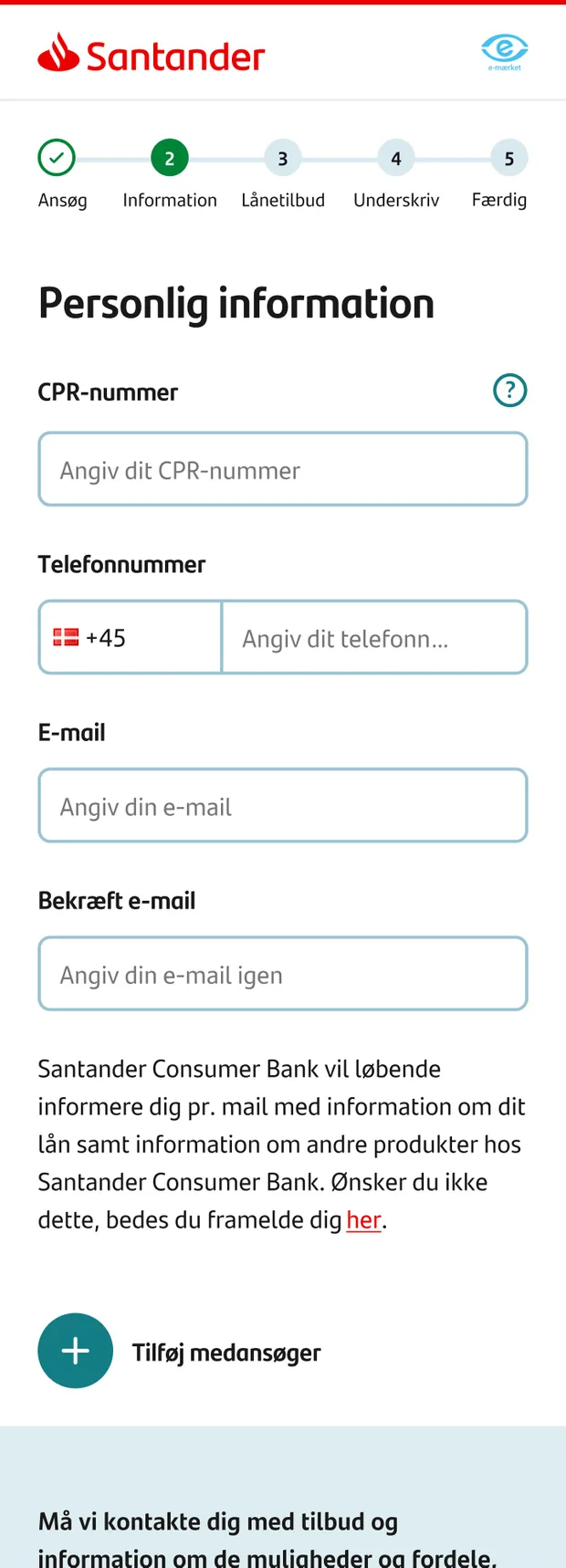
Santander Nordics · CRO Programme
Data-driven experimentation across four regulated markets: Denmark, Sweden, Finland, Norway.
IKEA Second-hand Marketplace
IKEA · Ways of Working System
AI Workflow Design Framework
Mapfre · Digital Expansion
IQOS Club Spain · CRO Programme
XTI Store · E-commerce Redesign
Twelve years.
One consistent way of working.
 Zaragoza, Spain
I've been doing this since I was 21, and one thing hasn't changed: give me a messy environment and a half-written brief and I'll do my best work trying to figure out what actually needs to happen.
I work in English and Spanish at professional level, and operate comfortably across both.
From a messy brief
to a clear next step.
Every project arrives with pressure from four directions: the business, the people using the product, the technology underneath, and the organisation making the calls. Above that sit the layers I work across, each with a few different tools. None of it runs in a fixed order, and no project needs all of it. What comes in at the bottom decides which tools get picked up on the way to the top.
-
Whichever route the work takes, it ends in something a team can act on the next morning: what to build, why it matters, and how we'll know it worked.
- Decision record
- Tested prototype
- Prioritised backlog
- Success metrics
-
Everything below is only useful if a team can repeat it. This layer covers the shared rituals, a record of what we've learned about users, and workflows where AI takes the repetitive parts.
Team- Ways of working
- Facilitation & workshops
- Mentoring & teaching
Tooling- Documentation & handoff
- Shared insight library
- AI-assisted workflows
-
Shipping is where the question gets answered. With enough traffic I test properly. Without it, I look for the cheapest way to be less wrong.
Experiments- A/B & multivariate testing
- Metrics & reporting
Quality- Usability testing
- Accessibility review
- Localisation QA
-
The visible part. Because it rests on the decisions underneath, reviews tend to be about whether it works, which is a far more useful argument than taste.
Structure- Information architecture
- Design systems
Surface- Interface & interaction design
- Content & UX writing
- Choice architecture
-
Most of a project's value gets decided here, in what the team agrees to solve and what it agrees to leave for later.
Problem- Problem framing
- Behavioural diagnosis
Bets- Hypotheses & success metrics
- Trade-off mapping
Scope- Scoping & appetite
-
Before an opinion turns into a screen, I check what the evidence supports. Sometimes that takes a research round. Sometimes a session recording and two good questions are enough.
People- User research
- Behavioural analysis
Data- Analytics & session data
Context- Stakeholder interviews
- Process & service mapping
- Platform & constraint audit
Science- Checking claims against the research
"AI can draw a hundred screens before lunch. Choosing the one worth shipping is still the job."Read my approach →
When a prototype takes an afternoon instead of a sprint, the slow part becomes knowing what to test. That's where the saved time goes.
Ask a model for UX best practice and it returns whatever gets repeated most, myths included. So I keep a graph of what the research actually backs.
An AI workflow that only I know how to run leaves when I do. I write each one down so the team can run it without me.
Before you cite a bias,
see if the research agrees.
BECO is a knowledge graph I'm building from 420 behavioural-science sources, each one DOI-verified. It links 243 named biases, heuristics and design laws to the findings behind them, and grades every one, including the popular ones the research doesn't support.


"If there's chaos, he can bring order to it. His exceptional ability to lead and organise a design process impressed me from day one."
"Jose stands out from the average UX profile. Beyond his eye for detail, he brings the layer of strategy and fluent client communication that is so in demand — and so scarce."
Your hardest problem
is a good place to start.
Open to senior product design roles and selective consulting engagements, in English or Spanish.